Fallen Angels in the Bible: 7 Fascinating Insights Revealed
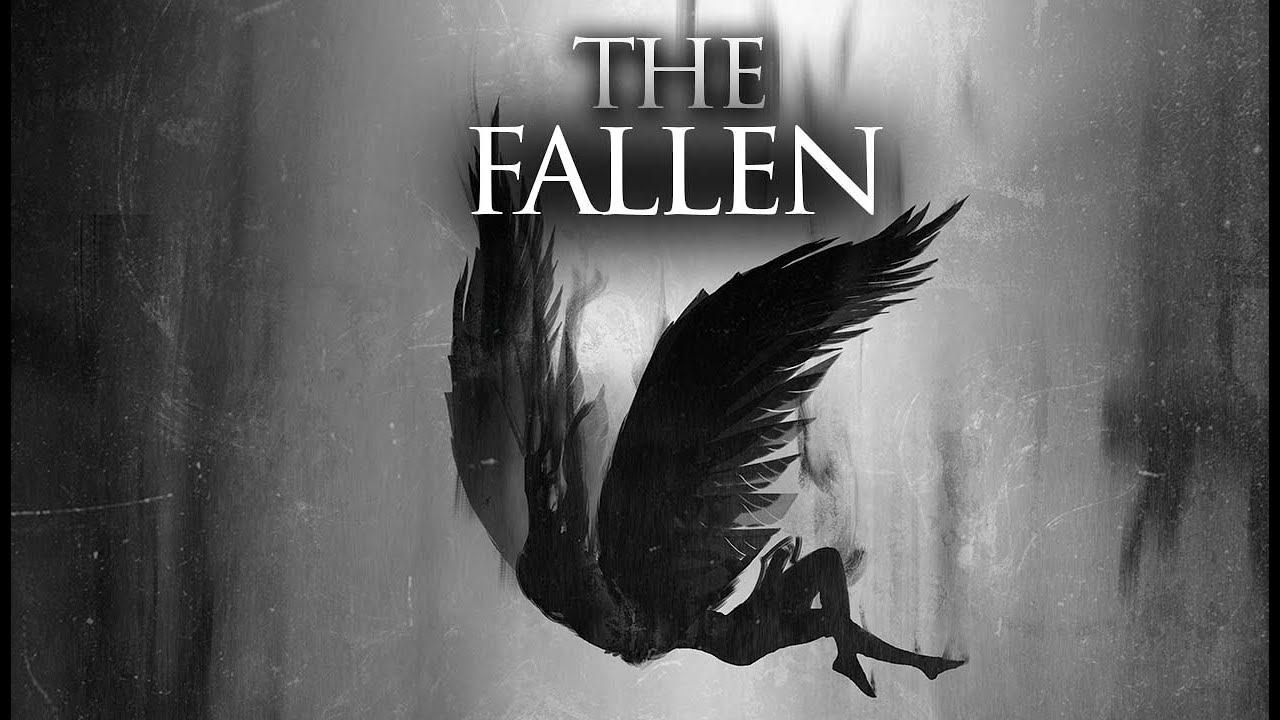
Fallen Angels in the Bible: Understanding Their Nature and Significance
Have you ever wondered about the mysterious figures known as fallen angels within the sacred texts? 🤔 These beings, shrouded in myth and mystery, play a pivotal role in the biblical narrative. This article explores their significance, stories, and the various interpretations surrounding them.
The Origin of Fallen Angels
Fallen angels, often identified as angels who have been cast out of Heaven, primarily stem from interpretations of passages in the Bible, particularly in the Old Testament. The most cited story involves Lucifer, a high-ranking angel who rebelled against God. His rebellion and subsequent fall from grace symbolize pride and disobedience.
Isaiah 14:12-15 (ESV) states: “How you are fallen from heaven, O Day Star, son of Dawn! How you are cut down to the ground, you who laid the nations low!” This scripture lays the foundation for understanding Lucifer as the archetype of fallen angels.
Categories of Fallen Angels
Fallen angels can typically be categorized into two groups based on biblical references: the original rebels and those who chose to follow them. The original group, led by Lucifer, fell from God’s grace, while others, such as the Watchers mentioned in the book of Enoch, chose to descend to Earth and interact with humanity.


The Watchers
In the Book of Enoch, the Watchers are described as angels who descended to Earth and took human wives, leading to the birth of the Nephilim, who were giants in biblical lore. This direct intervention in human affairs illustrates the consequences of divine disobedience.
Understanding the story of the Watchers provides insights into how fallen angels influence human history according to biblical scholars. Their actions serve as cautionary tales about hubris and the need for divine order.
The Impact of Fallen Angels on Humanity
Fallen angels are often depicted as tempters, seeking to lead humanity astray. Their influence is evident in various biblical scenarios, from the Garden of Eden to demonic possessions in the New Testament.
For instance, in Genesis 3, the serpent, often equated with Satan, tempts Eve into disobedience, showcasing the manipulative nature of fallen angels. Their role extends beyond mere temptation, influencing moral decisions and guiding humanity towards sin.
Comparative Representations in Other Cultures
Interestingly, the concept of fallen angels is not unique to Christianity. Various cultures have their own interpretations of similar entities. For example, in Islamic tradition, Iblis (Satan) is a jinn who refuses to bow to Adam, illustrating defiance against divine command.
This comparative study highlights the universality of the theme of rebellion against divine authority, reinforcing the moral lessons associated with fallen angels.
Complementary Tools to Understand Fallen Angels in the Bible
To deepen your understanding of fallen angels in the Bible, consider using complementary resources that can enhance your learning experience. Here are some tools that can be particularly beneficial:
- Biblical Commentaries: These provide valuable insights and interpretations of passages related to fallen angels.
- Online Bible Study Tools: Platforms like Bible Gateway allow you to explore different translations and commentaries effectively.
- Lexicons and Dictionaries: Useful for understanding the original meanings of biblical terms associated with fallen angels.
- Podcasts and Talks: Engaging audio content that discusses the implications and narratives of fallen angels in detail.
Using an Online Bible Study Tool
Bible Gateway serves as an excellent resource for those wanting to engage with the text directly.
- Access to Multiple Translations: Read the same passage in different translations for varied interpretations.
- Search Functionality: Easily locate verses that mention fallen angels, making your study more streamlined.
- Audio Bible Feature: Some individuals find listening to scripture enhances comprehension, especially complex narratives.
- Daily Devotions: Explore related content that contextualizes fallen angels within daily scripture readings.
Lessons from Fallen Angels in the Bible
Exploring the narratives and teachings surrounding fallen angels offers profound moral and spiritual lessons. Each story serves to remind us of the consequences of disobedience and pride. They underscore the importance of humility and the need for divine guidance in the human experience.
Fallen Angels and Spiritual Warfare
In Christian doctrine, fallen angels are often associated with spiritual warfare, where believers are encouraged to resist temptation and seek divine protection. Ephesians 6:12 (ESV) states: “For we do not wrestle against flesh and blood, but against the rulers, against the authorities, against the cosmic powers over this present darkness…” This highlights the ongoing conflict between good and evil.
By recognizing the spiritual implications of fallen angels, believers can foster a proactive approach in their spiritual lives, engaging in prayer and seeking wisdom to combat evil influences.
💪
Lessons from the Fall: Understanding Consequences and Redemption
The fall of angels serves not only as a narrative of despair but also as a foundation for the concepts of free will and redemption within Christian theology. Just as Lucifer made a choice that led to his downfall, humanity is confronted with choices that can lead to salvation or condemnation.
Redemptive Themes in Fallen Angel Narratives
- Free Will: Emphasizes the ability to choose between good and evil.
- Consequences of Sin: Provides a clear understanding of the repercussions of disobedience.
- Hope in Redemption: Illustrates that no matter the depth of fall, restoration is possible through repentance.
- Divine Justice and Mercy: Highlights the balance between judgment and forgiveness.
Fallen Angels and Contemporary Culture
Today, fallen angels have permeated popular culture, influencing literature, art, and film. They often symbolize the eternal struggle between good and evil, embodying the complexities of human nature.
Most notably, stories exploring the theme of fallen angels, such as in the movie Constantine, depict their struggle against redemption. Such portrayals intrigue audiences and invite deeper reflection on the narratives rooted in biblical teachings.
Exploring Further: Advanced Resources
To enrich your understanding of fallen angels and their role in spirituality, consider utilizing additional resources such as:
- Online Bible Commentaries: Gain different scholarly perspectives on biblical texts mentioning fallen angels.
- Books on Angelology: Authoritative texts discussing the nature, role, and existence of angels, both good and fallen.
- Documentaries and Videos: Engaging visual content about fallen angels and their impact throughout history.
Utilizing Books on Angelology
Books on angelology, like “Angels: God’s Secret Agents” by David Jeremiah, provide a thorough examination of angels in the biblical context and delve into the implications of their actions.
- In-depth Analysis: These books often feature detailed studies of scripture addressing angels.
- Contextual Framework: They place angels within the broader narrative of the Bible, enhancing understanding.
- Interpretations by Scholars: Learn from a variety of theological perspectives regarding fallen angels.
- Application to Modern Spirituality: These works draw connections between ancient texts and contemporary spiritual practices.
Conclusion: Reflecting on the Role of Fallen Angels
Fallen angels in the Bible offer a complex and multifaceted narrative that continues to resonate throughout history and culture. By understanding their nature, significance, and the lessons they convey, we can gain insight into our own spiritual journeys. The themes of rebellion, consequence, and redemption challenge us to reflect on our choices and the paths we take.
This exploration emphasizes the importance of seeking divine guidance in our lives as we navigate the moral complexities presented in the scripture. By learning from the stories of these celestial beings, we can aspire to overcome the temptations and challenges we face in our spiritual paths.
Fallen Angels in the Bible: An In-depth Exploration
Have you ever wondered about the mysterious beings that inhabit the shadows of biblical lore? 😇 **Fallen angels**, often depicted as malevolent entities, play a compelling role in the narratives of scripture. Their stories can be both intriguing and educational, guiding us through theological complexities. In this article, we’ll dive deep into the concept of fallen angels in the Bible, exploring their origins, implications, and the tools you can use to enhance your study of these enigmatic figures.
Origins and Theological Implications of Fallen Angels
The concept of **fallen angels** primarily stems from various accounts in the Bible, chiefly in texts like Isaiah 14:12-15, Ezekiel 28:12-17, and Revelation 12:7-9. The **theological implications** surrounding these beings involve discussions about free will, rebellion against God, and the moral implications of their choices.
In Isaiah, the fall of Lucifer is often interpreted as a metaphor for pride and the consequences of turning away from divine grace. Ezekiel offers a vivid description of the anointed cherub’s fall, symbolizing the potential for even the highest beings to succumb to temptation. Such themes resonate throughout scripture, illustrating deep spiritual lessons.
The Role of Fallen Angels in Biblical Narratives
Fallen angels serve pivotal roles in numerous biblical stories. They are often associated with the **temptation of humanity** as seen in Genesis 3, where the serpent, interpreted by many as a fallen angel, leads Eve to sin. This introduces the idea of spiritual warfare, where fallen angels influence individuals to stray from God’s path.
Furthermore, the Book of Enoch, a non-canonical text, elaborates on the tales of fallen angels and their interactions with humans, illustrating their agenda and the resultant consequences. This enhances understanding of their defined roles—both as tempters and as figures facing divine judgment.
Fallen Angels and Their Differences from Other Biblical Entities
Comparing fallen angels to **other spiritual beings** in the Bible sheds light on their unique characteristics. Unlike faithful angels, who serve God’s will, fallen angels rebel against it. This rebellion demonstrates a crucial differentiation:
- **Purpose**: Faithful angels are messengers and servants of God, while fallen angels aim to subvert God’s intentions.
- **Nature**: Fallen angels possess a corrupted nature, having once been divine but chose rebellion.
- **Impact on Humanity**: The effects of fallen angels’ influence often lead to strife, temptation, and moral decay.
Understanding these distinctions can help us grasp the larger narrative of good versus evil that permeates biblical texts.
Complementary Tools to Enhance the Study of Fallen Angels
To deepen your understanding of fallen angels, consider integrating **complementary tools** that can provide further insights into biblical theology and scriptural interpretation. Here are eight practical ideas:
- **Bible Study Apps**: Utilize apps like YouVersion to explore various translations and interpretations of scripture involving fallen angels.
- **Online Courses**: Platforms such as Udemy offer courses on biblical studies that can expand your theological understanding.
- **Forums and Discussion Groups**: Engaging in communities like Reddit allows for shared insights and questions about fallen angels.
- **Theological Books**: Reading theological works from reputable authors broadens your insight into academic interpretations of fallen angels.
- **Audio Bibles**: Listening to scripture being read can deepen your engagement with passages concerning fallen angels.
- **Commentaries**: Biblical commentaries provide chapter-by-chapter breakdowns of scripture, offering perspectives on passages about fallen angels.
- **Research Websites**: Sites like Bible Gateway facilitate easy access to different biblical resources and interpretations.
- **Documentaries and Lectures**: Visual media can illustrate the history and context of fallen angels, enhancing your overall understanding.
Using Theological Books to Enhance Understanding of Fallen Angels
Thorough study is crucial in grasping the complexities of fallen angels. Here are some benefits of using **theological books**:
- **In-depth Analysis**: Theological texts provide detailed interpretations that may not be found in standard Bibles.
- **Historical Context**: They often cover historical perspectives that shape our understanding of fallen angels throughout time.
- **Scholarly Insights**: Authored by theologians, these books present well-researched arguments and insights.
- **Comprehensive Themes**: They delve into a range of theological themes, connecting fallen angels to broader biblical narratives.
Utilizing Research Websites Effectively
Exploring **research websites** can drastically improve your understanding of fallen angels. Here’s how:
- **Wide Range of Resources**: These platforms provide access to multiple translations and commentaries.
- **Search Features**: You can easily search for passages pertaining to fallen angels for focused study.
- **Up-to-Date Information**: Constant updates ensure the latest theological discussions are available.
- **Community Engagement**: Many sites foster discussion forums where users can discuss interpretations and insights.
The Symbolism of Fallen Angels in Contemporary Culture
Fallen angels have transcended religious texts to become prominent symbols in **contemporary culture**. From literature to film, their stories echo themes of redemption, loss, and moral conflict. This metaphorical usage reflects humanity’s fascination with the duality of good and evil. Authors and creators often use fallen angels to highlight struggles against temptation and the desire for redemption.
By analyzing these portrayals, one can gain insights into how fallen angels in the Bible continue to influence modern narratives and cultural paradigms.
Exploring Historical Interpretations of Fallen Angels
Historical interpretation of fallen angels varies throughout different cultures and religions. Early Christian writings often depicted them as adversaries of mankind, heralding chaos and despair. Additionally, Jewish texts enriched this concept through various mythologies and lore associated with the **Nephilim**—a union of fallen angels and humans—and their subsequent destruction.
These historical insights provide a layered understanding of how fallen angels have been perceived and warn of the implications of rejecting divine authority.
Key Questions Surrounding Fallen Angels
As we explore this topic, several questions arise that are vital to understanding the full scope of fallen angels in the Bible:
- What are the implications of free will in the rebellion of fallen angels?
- How do different biblical accounts depict the nature and purpose of fallen angels?
- What lessons can contemporary believers draw from the narratives surrounding fallen angels?
Practical Applications of Understanding Fallen Angels
Understanding fallen angels is not just an academic pursuit; it influences how one interprets various biblical principles. By recognizing their role, believers can better navigate the moral complexities of their faith. This knowledge can be reinforced by using tools like Bible.com or engaging in discussions within communities that consider these subjects deeply.
By using fallen angels in the Bible together with conversation tools and theological frameworks, you can achieve a profound understanding of spiritual concepts and their applications in daily life.
This exploration of fallen angels not only empowers you to interpret scripture more thoughtfully but also enriches your spiritual journey, integrating practical relevance with academic study.
Final Thoughts on Fallen Angels
The exploration of **fallen angels in the Bible** is a journey through the complexities of faith, rebellion, and moral responsibility. Understanding these figures allows for a richer engagement with biblical texts and their timeless themes. As you continue your study, consider leveraging complementary tools discussed throughout this article to deepen your insights and broaden your understanding of these compelling beings.
But that’s not all—the discussions surrounding fallen angels will continue to evolve. Keep exploring, asking questions, and seeking knowledge to fully grasp their significant role within theological studies.
Characteristics and Impact of Fallen Angels
The Fascinating World of Fallen Angels in the Bible 👼
Have you ever wondered about the nature of fallen angels described in the Bible? These celestial beings, often depicted as adversaries to divine order, provide a rich tapestry of stories that explore themes of rebellion, redemption, and moral choices.
What Are Fallen Angels?
In biblical texts, **fallen angels** are typically viewed as angels who have been expelled from heaven due to disobedience or rebellion against God. The most notable fallen angel is **Lucifer**, traditionally regarded as the leader of the other rebellious angels. This narrative not only serves as a cautionary tale about the consequences of pride and disobedience but also adds depth to the interpretation of good versus evil.
The Story of Lucifer
The story of Lucifer’s fall can be traced through several passages, particularly in the books of Isaiah and Ezekiel. Isaiah 14:12-15 refers to Lucifer’s pride as the reason for his downfall: “How you are fallen from heaven, O Lucifer, son of the morning!” His ambition to be like God led him and his followers to be cast out into the abyss.
Key Characteristics of Fallen Angels
Fallen angels in the Bible are often characterized by their **desire for power**, **rebellion against divine authority**, and **constant temptation of humanity**. These traits serve as reminders of the human struggles with sin and morality.
Rebellion Against God
Fallen angels embody the act of rebellion against divine authority. This rebellion signifies a broader theme that resonates throughout the Bible: the conflict between divine will and human free will. By understanding these characteristics, readers can explore their personal struggles with faith and temptation.
Temptation and Influence
These angels often tempt humanity to stray from righteousness. An example is found in the story of **the serpent in Genesis**, which is often equated with Satan, a fallen angel. By tempting Eve to eat from the forbidden tree, the fallen angel ipso facto alters the course of humanity.
Fallen Angels in Popular Culture
The concept of fallen angels transcends biblical teachings, significantly influencing literature, art, and modern media. Works like John Milton’s **Paradise Lost** explore the depths of fallen angels’ motivations and their consequences.
Comparative Analysis: Fallen Angels vs. Other Mythical Beings
Unlike other mythological figures who may represent evil (like demons or Titans), **fallen angels** possess a unique duality. They were once pure beings made by God yet chose to rebel, adding layers of complexity to their character. This contrasts with the clear-cut nature of other beings in various myths, suggesting a nuanced understanding of good and evil.
How Fallen Angels Influence Faith Today
The stories of fallen angels in the Bible influence modern theology, often prompting discussions about morality, redemption, and the nature of evil. They serve as metaphors for human choices and the consequences that follow.
Applications of Fallen Angels Narratives
Many faith communities utilize the stories of fallen angels to teach lessons about humility, repentance, and reconciliation. This narrative can motivate individuals to examine their ethical dilemmas and choices in life.
Complementary Tools for Enhancing Understanding of Fallen Angels
To deepen your comprehension and engagement with the topic of **fallen angels in the Bible**, consider using complementary resources. Here are some valuable tools and how they enhance the study of fallen angels:
1. Biblical Concordances
Concordances allow readers to track occurrences of specific terms, such as “fallen angels,” across different passages. This can provide insight into how themes develop through various books of the Bible.
2. Theology Software
Utilizing theology software like ***Logos Bible Software*** can significantly enhance your studying experience. Here’s how:
- Comprehensive Texts: Access multiple translations and commentaries that reference fallen angels.
- Search Functionality: Quickly find relevant verses about fallen angels and their implications.
- Study Tools: Engage with interactive theological resources that discuss angelology.
- Community Learning: Participate in forums with other scholars and enthusiasts for deeper insights.
For more information, visit their official page at Logos Bible Software.
3. Online Biblical Resources
Websites such as Bible Gateway or Blue Letter Bible can be great resources for searching through scriptures and providing detailed explanations on specific passages concerning fallen angels.
4. Multimedia Learning
Podcasts and YouTube channels that focus on biblical teachings often cover the subject of fallen angels, making the material accessible and engaging.
5. Study Groups
Engaging in a local study group can provide different perspectives and foster discussions around the impacts of fallen angels in faith communities and personal lives.
6. E-Books and Articles
Reading various theological essays and e-books can broaden your understanding. They often cover the complex narratives around fallen angels, helping contextualize their biblical significance.
7. Reflection Journals
Maintaining a journal to reflect on personal experiences regarding sin, morality, and redemption can deepen your connection to the lessons taught through fallen angels’ narratives.
8. Historical Context Books
Understanding the historical context of the Bible, such as how cultural beliefs about angels evolved, adds depth to the study of fallen angels. Consider exploring works like ***”The History of Angels”*** which offers valuable insights:
- Comprehensive Overview: Gain awareness of angelology across numerous cultures.
- Biblical Cross-References: See how angels appear with different meanings within various scriptures.
- Exploration of Theological Views: Understand historical and modern perspectives on angels.
- Discussion of Key Texts: Review scholarly interpretations surrounding passages about fallen angels.
9. Courses on Angels and Theology
Many seminaries and online educational platforms offer courses focusing on angelology. These resources often delve into the theological implications of fallen angels in depth.
10. Interfaith Dialogues
Participating in interfaith discussions allows for a greater comparative understanding of fallen angels and brings new insights from diverse theological backgrounds.
Summarizing Key Points on Fallen Angels
Understanding the concept of fallen angels in the Bible offers profound insight into moral struggles and the choices Christians face. Through their narratives, believers can find reprieve in emotional challenges and strengthen their faith. The various complementary tools highlighted in this article allow readers to deepen their understanding and engage with these complex characters more fully.
Further Learning Resources
For additional exploration on fallen angels in the Bible, consider these reputable sources:
By exploring the narratives and teachings about fallen angels together with the recommended tools, readers can enhance their understanding of faith, temptation, and the ultimate quest for redemption.
Cultural Representations of Fallen Angels
Fallen Angels in the Bible: Exploring Their Significance
Have you ever wondered about the **fascinating lore** surrounding fallen angels in the Bible? 🤔 These enigmatic beings, often depicted as rebellious figures, captivate our imagination. In this article, we will uncover their roles, origins, and the profound impact they have had on religious texts and interpretations.
Understanding Fallen Angels in the Bible
Fallen angels are typically considered angels who have been cast out of heaven due to their rebellion against God. The story of *Lucifer*, who became Satan, is often referenced in this context. These angels symbolize the struggle between good and evil and serve as a cautionary tale against sinfulness. Fallen angels are mentioned in various biblical passages, underscoring their significance in theological discussions.
The Origins of Fallen Angels
The concept of fallen angels is rooted in various scriptures, including Isaiah 14:12-15 and Ezekiel 28:12-17. These texts describe the downfall of Lucifer, who aspired to ascend to the heights of heaven but instead met his demise. Over time, this narrative evolved, leading to broader interpretations of how other angels might have fallen.
The Role of Fallen Angels in Biblical Narratives
Fallen angels serve various purposes within biblical narratives. They often act as adversaries or agents of temptation, leading humans astray. The *Book of Revelation* describes a great battle between the forces of good and evil, further solidifying the role of fallen angels as significant antagonists in spiritual warfare.
Examples of Fallen Angels in Scripture
- Satan: The chief among fallen angels, representing ultimate evil.
- Azazel: Mentioned in Leviticus 16 as a scapegoat symbolizing sin burden.
- The Nephilim: Offspring of fallen angels and human women, seen in Genesis 6:1-4.
Comparative Insights into Fallen Angels
Understanding fallen angels in the Bible can be enhanced by comparing doctrines across different cultures. For instance, while Christianity views fallen angels as adversarial, other religions may present different interpretations reflecting various moral teachings.
Fallen Angels vs. Good Angels
Fallen angels and good angels share the same initial creation but diverge due to their choices. In contrast to good angels, who follow divine direction, fallen angels represent defiance. This dichotomy is essential for understanding their narratives and implications.
Complementary Tools to Enhance Understanding
To deepen your understanding of fallen angels, consider using complementary tools. Here are some suggestions:
- Biblical Dictionaries: Resources like the Holman Illustrated Bible Dictionary provide definitions and commentary.
- Documentaries: Watch documentaries about biblical history to visualize the stories of fallen angels.
- Podcast Series: Engage with podcasts focused on theology that often discuss angels and their roles.
- Discussion Forums: Platforms like Reddit can be conducive for debates and sharing interpretations.
- Study Bibles: Invest in a study Bible that includes detailed notes on angels and theological perspectives.
- Online Courses: Websites like Udemy offer classes on biblical studies.
- Literature Reviews: Reading critiques and discussions on theological discourses enriches comprehension.
- Visualization Tools: Utilize mind mapping tools to organize thoughts on fallen angels.
Exploring Point 2: Documentaries
- Visual Representation: Documentaries provide engaging visuals about the life of angels.
- Expert Insights: They often include interviews with theologians who can offer deeper interpretations.
- Historical Context: Documentaries can provide a historical backdrop to biblical events.
- Accessibility: Most are easily accessible online with platforms offering free viewings.
Exploring Point 8: Visualization Tools
- Organization of Ideas: Mind maps help structure complex Biblical concepts.
- Enhanced Memory Retention: Visual cues aid in memorizing significant scriptures.
- Collaboration: Mind mapping allows for group studies sharing diverse insights.
- Creative Expression: Use creative visuals to express interpretations of fallen angels.
The Psychological Impact of Fallen Angels
Fallen angels also resonate with humanity on a psychological level. They invoke themes of rebellion, consequence, and redemption. This universal connection allows individuals to relate to these angelic stories in personal and profound ways.
Modern Interpretations and Art
Fallen angels have inspired various cultural expressions, including literature, visual arts, and modern films. These interpretations often reflect the struggles of the human condition, symbolizing the internal battle between light and darkness. Authors like John Milton have famously portrayed the complexities of fallen angels in works such as “Paradise Lost.”
Theology and Fallen Angels
From a theological perspective, fallen angels stimulate discussions about sin, free will, and God’s justice. Scholars across different faiths analyze the implications of these beings on morality and ethical decisions. This discourse influences how communities approach sin and the concept of redemption.
Spiritual Warfare and Fallen Angels
Fallen angels are often associated with spiritual warfare in Christian theology. They are viewed as forces that attempt to lead believers away from God. The concept encourages individuals to fortify their faith against temptation. Engaging in prayer, studying scripture, and focusing on one’s spiritual life are essential for counteracting these malevolent influences.
Conclusion: Embracing Knowledge of Fallen Angels
Understanding fallen angels in the Bible enriches one’s spiritual journey and casts light on the ongoing battle between good and evil. By using tools like biblical dictionaries, documentaries, and engaging discussions, you can enhance your learning experience. Their legacy as symbols of rebellion and temptation encourages deeper contemplation about human nature and divine justice.
As you explore these themes, you will find that knowledge not only enlightens but also guides you through life’s complexities.
